Dussehra (Vijayadashami) – Festival of Victory
What is Dussehra:
Dussehra, also known as Vijayadashami, is one of the most celebrated Hindu festivals in India, observed at the end of Navratri, usually in October. It marks the triumph of good over evil, most popularly symbolized by Lord Rama’s victory over the demon king Ravana.
On this day, people gather in large grounds to witness Ram Lila — dramatic enactments of the Ramayana — and burn large effigies of Ravana, along with Meghnad and Kumbhakarna, signifying the destruction of arrogance, evil, and darkness.
✨ Why We Celebrate Dussehra:
Victory of Lord Rama over Ravana:
The main reason for celebrating Dussehra is to honor the day when Lord Rama, the seventh incarnation of Lord Vishnu, killed the ten-headed demon king Ravana who had kidnapped his wife Sita. The event symbolizes the triumph of dharma (righteousness) over adharma (evil).
End of Navratri:
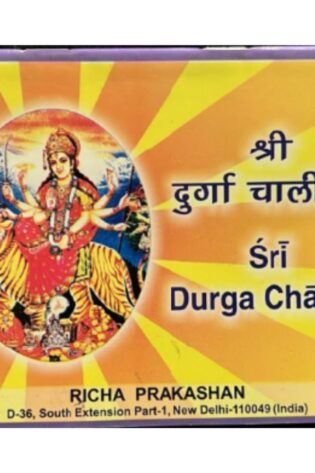
Dussehra also marks the end of the nine-day festival Navratri, where Goddess Durga’s battle with the demon Mahishasura ends with her victory on the tenth day — which is also celebrated as Vijayadashami in some regions, especially in Bengal and South India.
📖 A Short Story of Dussehra:
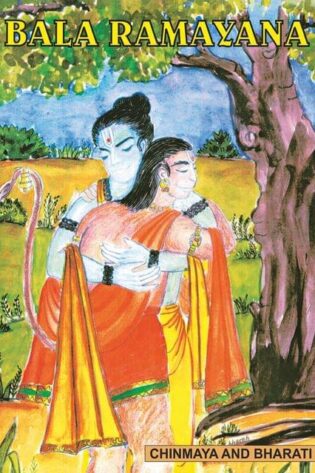
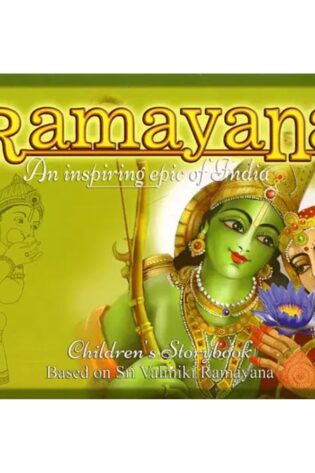
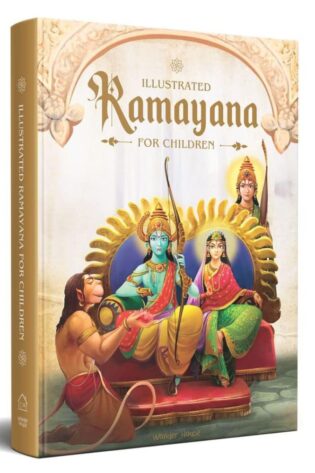
Long ago in the kingdom of Ayodhya, Lord Rama was exiled for 14 years. During his exile, his wife Sita was abducted by the mighty demon king Ravana, ruler of Lanka. With the help of his loyal brother Lakshmana, the mighty Hanuman, and an army of vanaras (monkey warriors), Rama waged a war to rescue her.
After a fierce battle that lasted several days, Rama finally defeated Ravana on the tenth day, using the divine bow and arrow given to him by the gods. This day of victory became known as Dussehra, symbolizing that truth and virtue will always defeat lies and evil.
In remembrance of this divine victory, people burn towering effigies of Ravana across India — a powerful reminder that evil, no matter how strong, will ultimately fall.

By info@synergyconcept.ae